The global market for jewelry boxes is really changing fast. By 2026, it looks like there’s gonna be a big push for more innovative designs and eco-friendly materials. I read a recent report from Research and Markets that predicts the jewelry storage market will grow at a Compound Annual Growth Rate (CAGR) of around 7.2%. That just shows how people are becoming more interested in stuff that’s both practical and looks good.
More and more, folks want jewelry boxes that do more than just hold things—they want something that fits into their lifestyle. That’s why the popularity of, say, men’s jewelry boxes is on the rise. People aren’t just looking for storage anymore; they want pieces they'll genuinely enjoy using every day. This shift is pushing designers and manufacturers to come up with new materials and styles that match what modern buyers are after. But, honestly, not every idea hits the mark—some designs just don’t really catch on.
And if you’ve been paying attention lately, you’ll notice that environmental concerns are a big deal. A ton of consumers are leaning towards eco-friendly options, which pushes brands to get more creative while also being responsible. It’s not always easy, though—companies have to rethink how they source their materials and produce their products. Striking the right balance between trendy designs and sustainability is what’s really going to shape the future of jewelry boxes. It’s definitely an exciting time, but also a bit uncertain with all these shifting priorities.

Emerging Materials and Their Impact on Jewelry Box Design in 2026
As we look toward 2026, the evolution of jewelry box design is increasingly influenced by emerging materials. Designers are exploring sustainable options like bamboo and recycled metals. These materials offer both aesthetic appeal and environmental benefits. Bamboo, in particular, is lightweight and strong, making it ideal for crafting elegant, minimalist
Jewelry Box Organizers.
Additionally, bioplastics are gaining traction in jewelry box production. Their versatility allows for innovative shapes and textures. A vibrant, colorful design can enhance the jewelry storage experience. While these materials are exciting, there are still challenges. Ensuring durability and affordability remains critical.
Another trend gaining attention is the use of tactile elements. Textured surfaces can provide a unique touch, encouraging buyers to engage more deeply with their jewelry box organizer. However, achieving the right balance between texture and function can be difficult. Designers must consider how texture influences usability. Overall, these emerging materials are reshaping the jewelry box landscape, encouraging creativity and sustainability while prompting thoughtful reflections on consumer choices.
Sustainable Practices in Jewelry Box Production for Global Consumers
As global consumers become more environmentally conscious, sustainable practices in jewelry box production are crucial. Recent studies indicate that 73% of shoppers prefer products made from sustainable materials. This trend reflects the growing demand for eco-friendly options, especially among millennials and Gen Z buyers. Manufacturers are increasingly using recycled wood, organic fabrics, and biodegradable packaging. The aim is not only to reduce waste but also to create a positive impact on the planet.
In terms of design, the Retro Jewelry Box is gaining popularity. This style combines vintage aesthetics with modern sustainability principles. Artisans often repurpose old materials, giving a new life to what could have been discarded. This approach reduces the demand for new resources, promoting an overall circular economy. However, challenges remain. Sourcing these materials sustainably is not always feasible, making it vital for brands to establish reliable supply chains.
Additionally, transparency in sourcing remains an issue. Many consumers want to know where materials come from. Yet, only 45% of companies are willing to disclose this information. Bridging this gap is essential for building consumer trust. Sustainable production practices in the jewelry box industry will benefit both the environment and the market. But it requires commitment and continuous improvement from all stakeholders involved.
Technological Innovations Shaping the Future of Jewelry Storage Solutions
In 2026, jewelry box trends are expected to be heavily influenced by technological innovations. Connected devices, such as smart jewelry boxes, are becoming more prevalent. Reports suggest that the global jewelry storage solutions market is projected to grow at a CAGR of 5.6% from 2021 to 2026. This growth invites new opportunities for both buyers and manufacturers.
Smart jewelry boxes are not just about style. They offer security features like biometric locking systems and remote access controls. Industry experts highlight that these innovations provide peace of mind. However, some consumers may struggle with the transition to technology-driven solutions. Familiarity with traditional storage may hinder adoption.
Tips for adapting to these changes include exploring how technology can enhance personal security. Opt for boxes that are user-friendly while minimizing complexity. Always consider your storage needs before investing. Keeping abreast of emerging trends will help buyers make informed decisions. Balancing technology with functionality is essential for the future of jewelry storage.
Aesthetic Trends Influencing Jewelry Box Styles for Modern Buyers
In 2026, jewelry box styles will reflect a blend of minimalism and bold aesthetics. The days of ornate designs are fading. Instead, modern buyers favor clean lines and simple forms. This shift emphasizes functionality alongside beauty. Small Jewelry Boxes, for example, will feature compartments that maximize space without sacrificing elegance. Buyers appreciate practicality but still desire visual appeal.
Color palettes will also evolve. Soft, muted tones may dominate, introducing a sense of calm. However, unexpected pops of color can create striking contrasts. Materials will play a significant role too. Sustainable options are crucial for eco-conscious consumers. Wood, recycled metals, and glass offer both style and ethical considerations. Yet, there can be a tension between sustainability and luxury. Finding that balance is a challenge for designers.
Aesthetic trends are guiding choices in 2026. Textures will add depth to the small jewelry box, inviting tactile exploration. Buyers want more than a container; they seek an experience. Craftsmanship will highlight individual artistry, showcasing imperfections. These unique details enhance the charm, encouraging deeper reflection on what beauty means. This evolution in design is a journey toward personalization in jewelry storage.
The Rising Demand for Customization in Jewelry Box Offerings
The jewelry box market is shifting towards customization. Buyers want unique pieces that reflect their personal style. This trend is gaining traction among global consumers. Custom jewelry boxes can include tailored designs, colors, and themes. Many buyers now prefer options that resonate with their identities.
Choosing the right features can enhance your jewelry box experience. Think about materials that speak to you. Wood, metal, or fabric can all set different moods. Consider space and layout as well. A well-organized box helps keep your items safe and accessible.
It’s important to reflect on what customization means to you. Do you want something minimalist or extravagant? Personal touches can elevate even simple designs. Pay attention to craftsmanship and durability. Not every customization is practical or feasible. Balancing aesthetics with functionality should be your goal. Evaluate your choices before making a decision.
Top Jewelry Box Trends to Watch in 2026 for Global Buyers
| Trend |
Description |
Customization Level |
Expected Growth (2026) |
| Eco-Friendly Materials |
Increasing use of sustainable materials like bamboo and recycled metals. |
High |
25% |
| Smart Jewelry Boxes |
Incorporation of technology for tracking and monitoring jewelry items. |
Medium |
40% |
| Personalized Designs |
Customized engravings and design options tailored to individual preferences. |
Very High |
30% |
| Modular Jewelry Boxes |
Interchangeable compartments for flexibility in organizing jewelry. |
Medium |
35% |
| Luxury Finishes |
High-end materials and finishes appealing to luxury markets. |
High |
20% |
Cultural Influences on Jewelry Box Design Across Different Markets
Cultural influences play a significant role in jewelry box design. In the Asian market, for instance, minimalist aesthetics dominate. Consumers prefer sleek lines and functionality. According to a 2023 report from the Global Market Insights, the demand for minimalist designs surged by 40% in recent years. This shift reflects a broader trend toward simplicity and practicality in daily life.
In contrast, the Western markets often lean toward ornate designs. These jewelry boxes are often handcrafted, showcasing rich textures and colors. A 2022 survey by Statista revealed that 55% of buyers in the U.S. favor personalized, decorative pieces. This trend shows a desire for individuality and emotional connection with their accessories.
The "Mirror Jewelry Box" has become a favorite in both markets. Its reflective surface adds elegance and serves a practical purpose. However, there is room for improvement in how these boxes are marketed. Many consumers feel overwhelmed by choices. Simplifying the selection process could enhance the buying experience. Balancing cultural preferences with clarity in design will be vital for success in 2026.
Key Features to Look for in Luxury Jewelry Boxes in 2026
As we approach 2026, luxury jewelry boxes evolve beyond simple storage. Modern buyers seek not only elegance but also practicality. Key features define the luxury jewelry box market this year.
First, sustainability is crucial. Eco-friendly materials are highly valued. Buyers prefer jewelry boxes made from responsibly sourced wood or recycled materials. This choice reflects a growing awareness of environmental impact.
Functionality is another significant aspect. Organizers with compartments enhance usability. Look for designs that allow easy access to your favorite pieces. An adjustable layout can accommodate various jewelry sizes.
Here are a few tips:
- Consider a box with a built-in mirror. It adds convenience for on-the-go styling.
- Slow down your selection process. A beautiful box should meet your personal aesthetic and practical needs.
- Reflect on how often you'll use each feature. Prioritize what matters most to you.
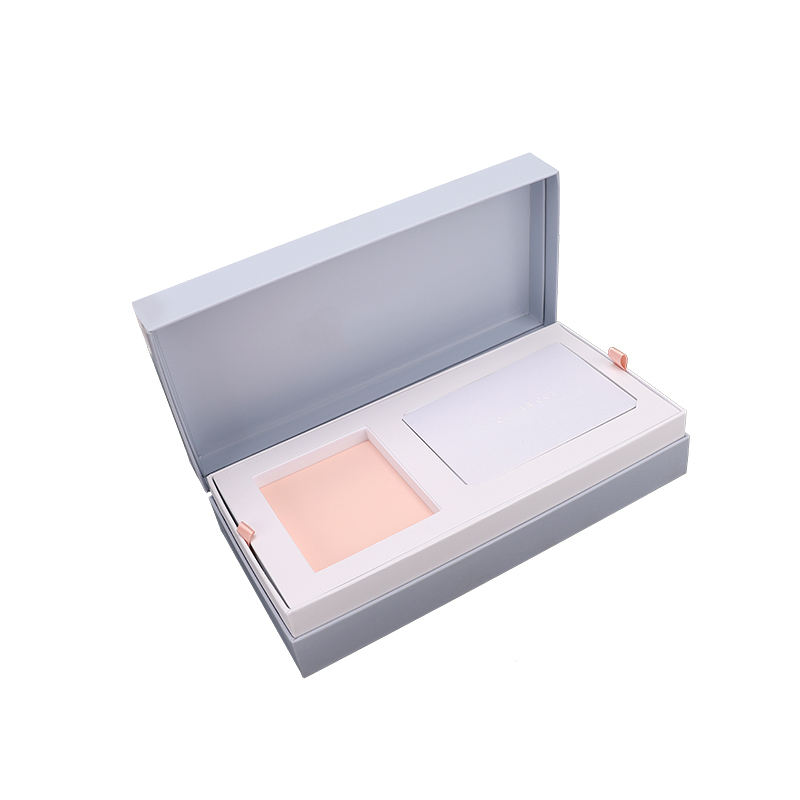
Creative Uses of Magnetic Blue Flip-top Folding Gift Boxes with Lining and Foil Silver Stamping for Memorable Presentations
When it comes to memorable presentations, the aesthetics of your gift packaging can play a pivotal role in leaving a lasting impression. Magnetic blue flip-top folding gift boxes with lining and foil silver stamping are an excellent choice for creating that visual appeal. According to industry data, effective packaging can increase consumer engagement by up to 80%, making it essential to choose designs that not only protect but also enhance the overall presentation of your gifts. The striking contrast of blue and silver in these boxes evokes feelings of elegance and sophistication, setting the perfect tone for any occasion.
The innovative design of these magnetic gift boxes aligns with the growing trend of sustainability and functionality in packaging. With a foldable structure, these boxes can be easily stored and transported, reducing the need for excessive storage space—a necessity for both personal and corporate environments. Recent reports indicate that around 60% of consumers prefer eco-friendly packaging solutions, making a space-saving design an appealing feature. Moreover, the magnetic closure ensures that the contents remain secure, providing peace of mind and enhancing the unboxing experience, which can significantly impact how the gift is perceived.
In addition, the fine lining and foil stamping impart a luxurious finish that can elevate ordinary gifts to extraordinary heights. Packaging is now seen not just as a protective layer but as an integral part of the customer experience. With the right packaging, businesses can differentiate themselves in a competitive market; 70% of consumers have stated that premium packaging makes them more likely to gift the product instead of keeping it for themselves. Thus, investing in high-quality magnetic gift boxes is not only about presentation but also about creating memorable gifts that resonate with recipients across various events, from personal celebrations to corporate gifting.
FAQS
: Sustainable practices help reduce waste and create a positive environmental impact. Many consumers prefer eco-friendly products.
Manufacturers often use recycled wood, organic fabrics, and biodegradable packaging. These options promote sustainability.
Modern designs emphasize minimalism and functionality. Clean lines and simple forms are favored over ornate styles.
Customization allows buyers to express their personal styles. Unique designs reflect individual identities and preferences.
Sourcing sustainable materials can be difficult. Reliable supply chains are essential for overcoming these challenges.
Consumers should seek brands that disclose their materials' origins. However, many companies still hesitate to share this information.
Textures and colors are key. Buyers look for softness combined with striking contrasts, enhancing the visual experience.
Consider materials, aesthetics, and functionality. Unique features should enhance the overall experience, not complicate it.
Not every customization is feasible. It's essential to balance aesthetics with functionality. Evaluate options carefully before deciding.
Quality craftsmanship enhances charm and invites reflection. Imperfections can add uniqueness, emphasizing the beauty of individuality.
Conclusion
As we look ahead to 2026, the jewelry box market is poised for significant evolution driven by emerging materials and a growing emphasis on sustainability. Consumers are increasingly prioritizing eco-friendly practices in production, which is reshaping the design and functionality of jewelry boxes. Technological innovations are also expected to revolutionize how jewelry is stored and displayed, offering smart features that cater to modern needs.
Aesthetic trends will continue to play a crucial role, with designs reflecting contemporary styles while also drawing from cultural influences worldwide. Moreover, the rising demand for customization allows buyers to personalize their jewelry boxes, creating unique storage solutions that resonate with individual tastes. As a result, discerning buyers should pay attention to key features that define luxury jewelry boxes, ensuring they invest in pieces that not only meet their functional requirements but also enhance their personal style.