
Leave Your Message
Phone
E-mail
Whatsapp
whatsapp

In the age of change and evolution for packaging solutions, the Chocolate Box stands out as a pure product among buyers around the world. With 2025 knocking at the door, businesses have their ears pricked for smells of innovation decanted from crumbling Chocolate Box packaging. For it will certainly be an age where someone will have to be a more conscious consumer that business manufactures. Insufficiency in future planning would certainly bring extinction even in the personalized packaging days. The blog clearly propagates the essential strategies that guide and orient the newest Chocolate Box design trends while rendering actionable ideas for companies such as Dongguan Haicheng Paper Products Co., Ltd., on the best practice of such changes.
At Dongguan Haicheng Paper Products Co., Ltd., we believe that the future of packaging is weaving creativity and functionality together. Being one of the leading manufacturers in the industry, we are committed to exploring new technologies and materials that will make Chocolate Boxes more attractive and user-friendly. This blog would share how companies can incorporate forward-looking methodologies in all their endeavours to better their offerings in terms of customer satisfaction and competitive advantage. To this end, join us in those key tactics that will define the Chocolate Box innovations for world buyers in 2025 and beyond.

Innovative global distribution strategies will be the order of the day for chocolate manufacturers in 2025 to maintain their competitiveness in the unlimited evolving market. Companies must foster direct ties and networks between cocoa producers in various regions as consumers are becoming more conscious of sustainability and transparent operations. This direct connection could increase product quality and, at the same time, ensure ethical sourcing, appealing to the mindful consumer. Technology will be important also, as he will find access to the widest markets through the internet, e-commerce, and social media marketing will broaden a brand's exposure and engage customers in real-time. As logistics and supply chains evolve, so will distribution channels that can now achieve a maximum advantage in speed with low cost. All these adaptations will not just uplift the name of their brands but will also make the consumers develop strong loyalty to them across countries.

Understanding the highly dynamic chocolate markets for global buyers who are seeking ways to navigate the complexities within the cocoa-chocolate global value chain will be of utmost importance in looking toward 2025. The global cocoa-chocolate trade is now increasingly dwelled by ever-more ethical sourcing practices as the industry continues to evolve in tandem with changing consumer preferences and sustainability efforts. There is now an increasing call for more transparent businesses, hence emphasis on buyers developing partnerships with cocoa producers who are certified for sustainable farming and fair trade practices.
In keeping with this, innovation in taste and packaging goes on to transform the consumer experience. Those trends of going for artisanal and health-conscious options will most probably leave out of the market brands that do not invest in R&D. Being one step ahead, therefore, is not only about keeping up with changes but also anticipating the changing palates of increasingly discerning consumers. Harness these insights from market research and shifting consumer demand, and the global buyers will put themselves rightly across this booming sector.
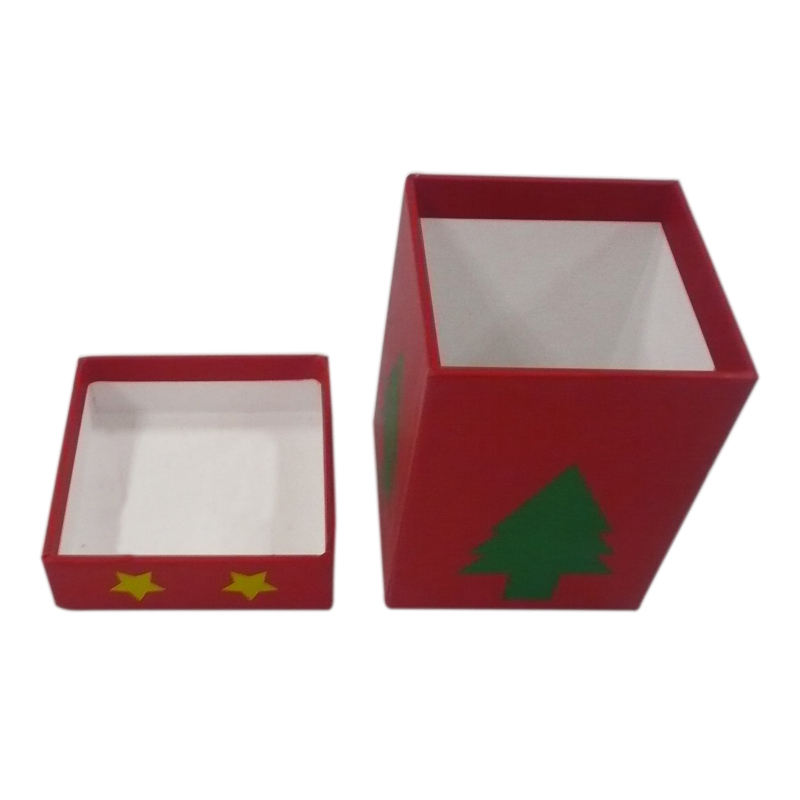
In 2025, the chocolate market has changed, where people are now leaning towards healthier choices. This change, according to many experts, is due to the increased attention on nutrition and wellness, which drives brands to innovate its way of developing products. As the cocoa value chain continues to become one of global manufacturers, it can dive into incorporating natural ingredients and lower sugar in products without affecting the flavor.
Asia Pacific has a major role in these developments, as it opens up countless opportunities for brands to develop innovative new healthy products. Capturing local consumer tastes and preferences has an advantage in attracting loyal, health-sensitive audiences. Additionally, sustainability and transparency in sourcing will promote brand signage even when they taste great and meet ethical standards from consumers.

Emerging markets represent a great opportunity for growth in the global cocoa-chocolate value chain. The more that countries such as the Philippines improve their production capacities, the higher their likelihood of playing a role in the lucrative status of this industry. Buyers who seek to widen their portfolio should especially target these areas where cocoa production is increasing in response to global demand for sustainable and ethically made chocolate products.
Proactive strategies will be paramount to navigate these changing markets successfully. The key attributes needed to penetrate these markets successfully involve an understanding of local market dynamics and consumer preferences and investment in sustainability practices. Insights from buyers from the rest of the globe will thus add to the product offering and assist in the socio-economic development of cocoa-producing communities, thereby ensuring the establishment of a more resilient and responsible chocolate economy.
The ever-evolving scenario in this field may touch base with different aspects, which shall enhance the experience in chocolate marketing now to buyers globally by 2025. Easy delivery and sustainability will account for most of the innovations because brands would be focusing smart packaging solutions that would not only keep the product and the most enticing but also keep consumers entertained with interactive elements such as QR codes and augmented reality.
However, when big companies are targeting the region, they should be aware of the preferences and trends among local customers in that segment. The enhancement of new sensory experiences around products through innovative packaging will enable them to differentiate their products from one another to target larger numbers of customers. Exploiting technology will give brands extra strength for developing attention-grabbing and useful packages that create closeness to various consumer demographics in this environment.
The chocolate industry is ever-changing, and advancements in packaging, flavor profiles, and sustainability practices will transform how consumers interact with chocolate in the year 2025. Consumers are maturing in their choice, demanding that chocolate is delicious but also good for the world. Next on the agenda will be eco-packaging that reduces waste and looks good on the shelf in order to pursue the green consumer.
Flavor innovation will also be affected by developments in the supply chain for cocoa on a global scale. Branding opportunities will present themselves for chocolate brands as unique varieties of cocoa from different regions come into play as they diversify flavor profiles to accommodate an increasingly expanding palette of global tastes. The trends shaping future chocolate boxes will keep brands on their toes and dependant on market demand if they are to stand any chance in competition.
In recognition of the changing face of the chocolate industry, sustainable sourcing has become a significant strategy for brands hoping to woo world consumers in 2025. Beyond tackling environmental issues, ethical modes of chocolate production have come to be seen as a legitimate response to the heightened consumer demand for responsibly sourced ingredients. Undergoing a shift towards greater accountability, brands are currently concerned about traceability: ensuring that cocoa is sourced from farms practicing ecological sustainability and fair labor conditions.
Ethical sourcing will increase consumers' loyalty for brands in the Asia Pacific market, where demand for chocolate products is rising. Consumers are becoming aware and concerned about the consequences of their purchases, which is causing companies to adopt transparent supply chains. Upholding sustainable practices allows the brands to connect with educated buyers and differentiate themselves in a cut-throat market. Such ethical behavior not only improves brand image but also aids communities whom chocolate production is concerned with.
Not only that, chocolate manufacturers will have to keep abreast with a host of ever-changing regulations and compliance requirements, what with the industry going into the year 2025. And as all the so much more making consumers aware of health and sustainability issues, it is essential that the manufacturer keep abreast of those forthcoming policies that will affect production and marketing. In fact, the adaptation to these regulations doesn't just ensure compliance, but also boosts reputation for the brand, so that compliance matters also become a top priority for global buyers in strategizing.
Top of mind for Asia Pacific markets, where most major brands register impressive growth, will be the need to anticipate regulatory changes closely. Among innovation must be product offerings in conformity with local regulations. By looking ahead and making preparations to meet future standards, health chocolate manufacturers will place themselves at the forefront in influencing consumers' demands at this competitive level while maintaining their business integrity.
Furthermore, personalization is set to become a huge trend among buyers worldwide. In terms of personalization, 2025 would witness consumers looking for unique and tailored experiences appealing to their tastes and preferences. So, this customization trend is not a fading option but a survival strategy for brands that want to win their consumers' hearts.
Packaging and gifting with interactivity is another interesting trend observed. The more a brand allows a consumer to pick his flavor, package design, or even personal message, this deepens the connection and creates customer loyalty. The personalization debate finds its strongest resonance in the Asia Pacific region, where the demand for innovative chocolate items is peaking. Therefore, going forward, as the entire chocolate market grows, these trends in customization will be vital for brands wishing to remain the competitive and relevant players.
In the year 2025, collaborative ventures will spearhead advancements in the realm of origin chocolate innovations in the global market. Although intense competition drives companies to distinguish themselves, an alliance through established brands and newcomers may well offer exciting routes for innovation and engagement with consumers. Combined resources and know-how result in a collective offering that can go far among different types of buyers.
The chocolate industry is set to flourish in the coming years, especially in developing regions like Asia Pacific, owing to the burgeoning acceptance of exciting products. Brand alliances allow companies to enter into a new market while also ensuring that they are able to address the never-ending dynamic taste of consumers with regard to sustainability and quality. As the global value chain for cocoa and chocolate continues to grow, leveraging partnerships with one another will be of significant advantage when it comes to increasing product diversity and retaining consumer loyalty in this rewarding sector.
The key trends for 2025 include eco-friendly packaging, unique flavor profiles derived from global cocoa varieties, and an emphasis on sustainability practices that resonate with consumers' values.
Eco-friendly packaging is increasingly important as consumers are becoming more environmentally conscious and prefer products that reduce waste and enhance shelf appeal.
Globalization is expected to introduce unique cocoa varieties from different regions, allowing chocolate brands to experiment with diverse flavor profiles and cater to a broader range of global tastes.
Manufacturers should adopt innovative global distribution strategies, build direct relationships with cocoa producers, and leverage technology for marketing and distribution to meet changing consumer preferences.
Technology, including e-commerce platforms and social media marketing, can help chocolate brands expand their global reach while engaging with customers in real-time.
Strong connections with cocoa producers enhance product quality and ensure ethical sourcing, which appeals to consumers who prioritize sustainability and transparency in their purchases.
Efficient logistics and supply chains that prioritize speed and cost-efficiency will be vital for meeting global market demands and enhancing brand presence.
By adapting to trends in sustainability, transparency, and innovative flavors, chocolate brands can foster lasting loyalty among consumers who value these aspects in their purchasing decisions.


