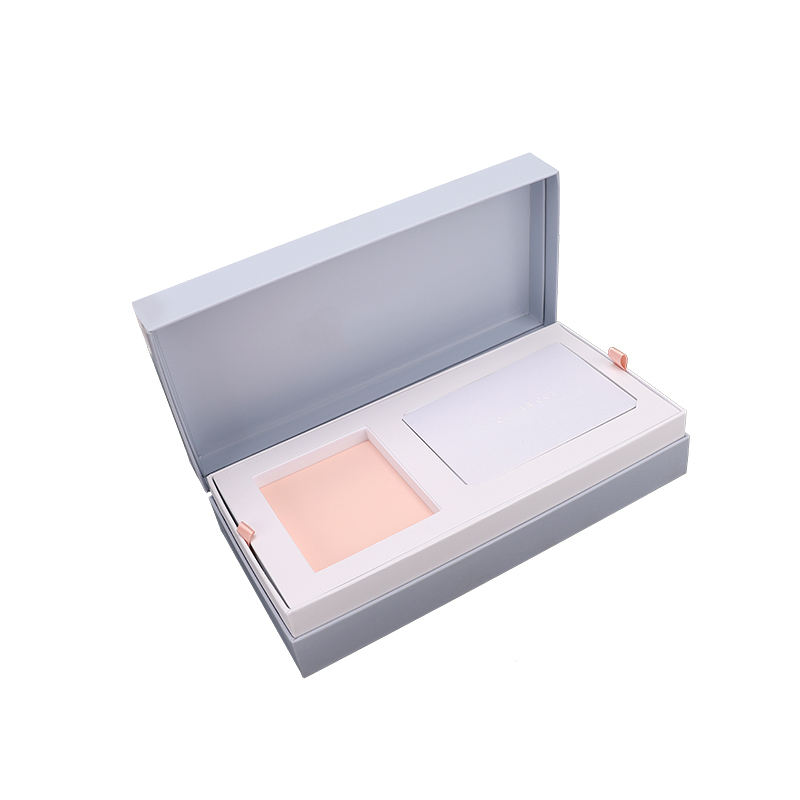
You know, the world of magazine printing is really going through some big changes lately. Thanks to some pretty cool new advancements, the industry is shifting how people think about magazines and what standards they follow. If you’ve seen the latest reports from Smithers, they’re saying that the global magazine printing market is probably gonna grow around 2.3% each year over the next five years. And that’s even with digital content taking over — it’s mostly because people still really want high-quality printed materials. At DONGGUAN HAICHENG PAPER PRODUCT CO., LTD., we’ve been around for over 20 years, specializing in all kinds of packaging and printing products like folding boxes, intricate handmade boxes, and colorful boxes. As the magazine world moves toward more sustainable options and digital integration, it’s more important than ever for companies to stay flexible and come up with new ideas to match what customers want. In this blog, I’ll chat about some of the big challenges in magazine printing and how innovative solutions are helping the industry grow around the globe.

Emerging Technologies Shaping the Future of Magazine Printing
These days, emerging technologies are really shaking up the world of magazine printing. It’s kind of amazing to see how innovation is all around us, especially as it adapts to what readers actually want. Digital printing, for example, has become a game-changer—publishers can now do small runs and customize content much more easily. That means magazines can experiment more with their layouts and stories, targeting niche audiences and really reaching people on a more personal level. Plus, with new ink tech coming into play, there's a big push toward more eco-friendly options, which a lot of consumers are into these days.
And then there’s the whole magic of augmented reality and interactive features—it's totally transforming how we engage with print. By blending digital stuff with what’s on the page, magazines can tell stories that truly draw you in. Whether it’s scanning a QR code that takes you online or AR elements that make images pop off the page, these innovations make reading way more immersive. They’re not just pretty pages; they’re creating a more dynamic experience and helping magazines stand out in a pretty crowded market. Looking ahead, it feels like these tech advances could make magazine printing not only more efficient but actually really exciting and interactive—who wouldn't want that?
Sustainability Trends: The Shift Towards Eco-Friendly Printing Solutions
You know, the printing industry is really going through some big changes lately, mainly because everyone’s starting to care more about sustainability. As brands put more emphasis on eco-friendly practices, the whole global ink market is adjusting accordingly. We’re seeing a real uptick in water-based inks that are also food-safe, especially for packaging. Plus, sustainable inkjet digital printing solutions are becoming pretty essential—they help move us towards a circular economy by using less energy and generating less waste during production.
On top of that, outlooks suggest that demand for ink receptive coatings will keep climbing — expected to jump from about USD 1.37 billion in 2025 to over USD 2.10 billion by 2035. This growth really seems to be driven by the high-end printing market, where sustainability is now a major selling point. And if we look at the bigger picture, the global A4 paper market is projected to grow from roughly USD 15.34 billion in 2025 to around USD 17.6 billion by 2033, with a steady 1.6% compound annual growth rate. All of this really highlights how industries are putting more weight on eco-friendly printing solutions these days.
Digital vs. Traditional Printing: Analyzing Market Growth Statistics
As the magazine world keeps changing, it’s pretty clear that comparing digital and traditional printing methods is more important than ever. Digital printing’s really taken off lately—thanks to how quick and versatile it is. Unlike traditional printing, which often needs a lot of setup and works best with bigger print runs to save money, digital printing makes it easy to print smaller batches without breaking the bank. That’s such a game-changer for niche markets and custom magazines, especially since people are now so into personalized content and getting things done quickly.
But still, traditional printing isn’t going anywhere. It’s prized for its amazing print quality, the texture, and those vibrant colors that just pop. Many publishers still swear by offset printing, especially when it comes to high-volume runs like glossy magazines where the look really matters. Interestingly enough, even with everyone going digital, the demand for both methods seems to be growing. That’s probably because consumers have such a wide range of preferences and because printing tech keeps getting better. All this stuff points to a future where magazines might use a mix of both digital and traditional techniques—blending their strengths to keep up with what the market wants.
Consumer Preferences: How Personalization is Driving Demand in Magazine Printing
You know, the world of magazine printing is really changing fast these days. Thanks to folks wanting more personalized content, the industry is in the middle of a pretty big shift. I read a report from Smithers Pira that says the global market for magazine printing could hit around $30 billion by 2025 — and a lot of that growth is all about custom stuff. It’s pretty clear that consumers aren’t happy with just generic magazines anymore; they want magazines that really speak to their passions and lifestyles.
And get this, a study by the Content Marketing Institute shows that about 72% of people now expect brands to serve up personalized content. That’s a huge change! So, in the magazine world, that means publishers are trying out new printing tech that allows them to customize not just the covers and layouts, but even the articles and images based on who’s reading. For example, with variable data printing, a publisher can send out different versions of a magazine—each one tailored to the reader’s interests. By jumping on these tech trends, publishers aren’t just making their magazines more engaging; they’re also building stronger loyalty and boosting sales in a super competitive market. It’s pretty exciting to see how all this innovation is shaping the future of magazines!

Innovative Materials: Exploring New Substrates and their Impact on Quality
The world of magazine printing is really going through some big changes these days, mainly because of new and innovative materials popping up. You’ve probably noticed that traditional paper is no longer the only option—publishers are now using smarter, more advanced materials that not only make magazines look better but also last longer and are more eco-friendly. For example, biodegradable and recycled papers are becoming super popular. This way, publishers can keep their high-quality prints while also showing they care about the environment, which seems to matter a lot these days.
These new materials really make a difference when it comes to print quality, vibrant colors, and how the magazine feels in your hands. Things like synthetic papers and composite materials are pretty tough—they resist wear and tear so magazines stay looking fresh over time. Plus, with different coatings, you can get finishes like matte, gloss, or textured surfaces to match just about anyone’s taste. As more companies start to embrace these kinds of materials, it feels like the future of magazine printing isn't just about looking good — it’s about being sustainable too, and honestly, that’s kind of exciting. It’s like the industry is not only trying to attract more readers but also raising the bar on what quality and eco-consciousness mean nowadays.
Global Market Insights: Key Players and Forecasts in the Magazine Printing Industry
The magazine printing world is really seeing some exciting changes lately, and it’s shaping up to take global demand for printed materials to a whole new level. I recently came across a market research report that predicts this sector is about to grow quite a bit, thanks to cool new printing tech and more options for customization. Things like digital printing and eco-friendly materials aren’t just improving the print quality—they’re also pretty much what consumers want these days, with a bigger focus on sustainability. As brands look for fresh ways to grab people’s attention, using augmented reality and personalized content within magazines is set to push things even further.
At the same time, the market for regenerative thermal oxidizers (you know, those things that help make industries greener) is expected to hit around USD 19.43 billion by 2034, growing at about 4.28% annually. That really shows how committed the industry is to going green, which is especially important for modern magazine printing. Big players in the field are jumping on these innovations to cut emissions and boost efficiency, signaling a real shift toward more environmentally responsible printing solutions.
Looking ahead, if companies want to stay competitive, they should really think about adopting the latest printing tech and eco-friendly practices. Making magazines more engaging with eye-catching design and personalized content can also do a lot to attract and retain readers. And of course, doing a bit of market research to get inside consumers’ heads will help – knowing what people really want is the key to growth and staying ahead in this game.
The Future of Magazine Printing Innovations Driving Global Demand
| Dimension |
2021 |
2022 |
2023 |
2026 Forecast |
| Global Market Size (USD million) |
25,600 |
27,200 |
28,800 |
35,400 |
| CAGR (%) |
3.1 |
2.3 |
5.8 |
6.5 |
| Digital Printing Share (%) |
40 |
45 |
50 |
60 |
| Asia-Pacific Market Demand (USD million) |
10,200 |
11,000 |
11,800 |
15,000 |
| North America Market Growth (%) |
2.5 |
3.0 |
3.5 |
4.0 |
Exploring the Growth of Eco-Friendly Children's Literature: The Rise of Custom Cardboard Story Books in Sustainable Publishing
The rise of custom cardboard storybooks represents a significant shift in sustainable publishing, particularly in the realm of eco-friendly children's literature. As parents and educators increasingly value sustainability, these charming, sturdy books are not only kind to the planet but also enrich the early reading experiences of little ones. Crafted from recycled materials and designed to withstand the enthusiastic handling of toddlers, custom cardboard books combine environmental awareness with engaging storytelling.
Featuring bright, colorful illustrations and simple text, these books captivate young readers, making literacy development both fun and interactive. The vibrant images stimulate children's imagination, while the straightforward narratives encourage them to explore the world of stories. As they turn the pages, children not only improve their reading skills but also nurture a lifelong love of books. From bedtime tales to adventurous journeys, custom cardboard storybooks open new horizons for young minds, sparking joy in every reading session. This growth in eco-friendly literature signifies a promising future, where the beauty of storytelling and the care for our planet go hand in hand.
FAQS
: Digital printing is more efficient and adaptable, allowing for smaller quantities at a lower cost, while traditional printing is valued for its superior print quality, texture, and color vibrancy in high-volume runs.
Digital printing has surged in popularity due to its ability to cater to niche markets and custom publications, aligning with contemporary consumer demands for personalization and quick turnaround times.
Yes, traditional printing remains vital, particularly for publishers focusing on glossy magazines where aesthetics and print quality are crucial for consumer engagement.
The market is seeing a rise in the global demand for both digital and traditional printing methods, influenced by diverse consumer preferences and advances in printing technology.
Innovative materials are supplementing traditional substrates, enhancing aesthetics, durability, and environmental sustainability while improving print quality and tactile experience.
Biodegradable and recycled materials, synthetic papers, and composite materials are gaining traction for their eco-friendly properties and resistance to wear and tear.
New substrates significantly affect print quality and color vibrancy, and can elevate the overall tactile experience of magazines.
Publishers can utilize specialized coatings for various finishes, including matte, gloss, or textured surfaces to cater to different consumer preferences.
The future of magazine printing will likely adopt a hybrid approach, combining the strengths of both digital and traditional techniques to meet changing market demands.
The adoption of advanced materials meets the growing consumer demand for eco-friendly products while redefining expectations regarding quality and sustainability in magazine publishing.
Conclusion
Looking ahead, the future of magazine printing is set to shake things up with some pretty exciting innovations that really match what people around the world are craving. New tech is changing how everything is made—making it faster, better, and more efficient. Plus, there's a big push towards sustainability right now, with a move towards eco-friendly printing options that catch the eye of folks who care about the planet. Oh, and don’t forget, the battle between traditional printing and digital is still raging, shaping how companies go about their business as everyone craves more personalized content.
At DONGGUAN HAICHENG PAPER PRODUCT CO., LTD., we’re all about staying ahead of the curve. With over 20 years of experience in the packaging and printing game, we really get how important it is to use innovative materials and substrates to boost magazine quality. By keeping an eye on global trends and knowing who’s who in the industry, we aim to offer top-notch, customized printing solutions that match what the market demands as it keeps changing day by day.